
start with a plan
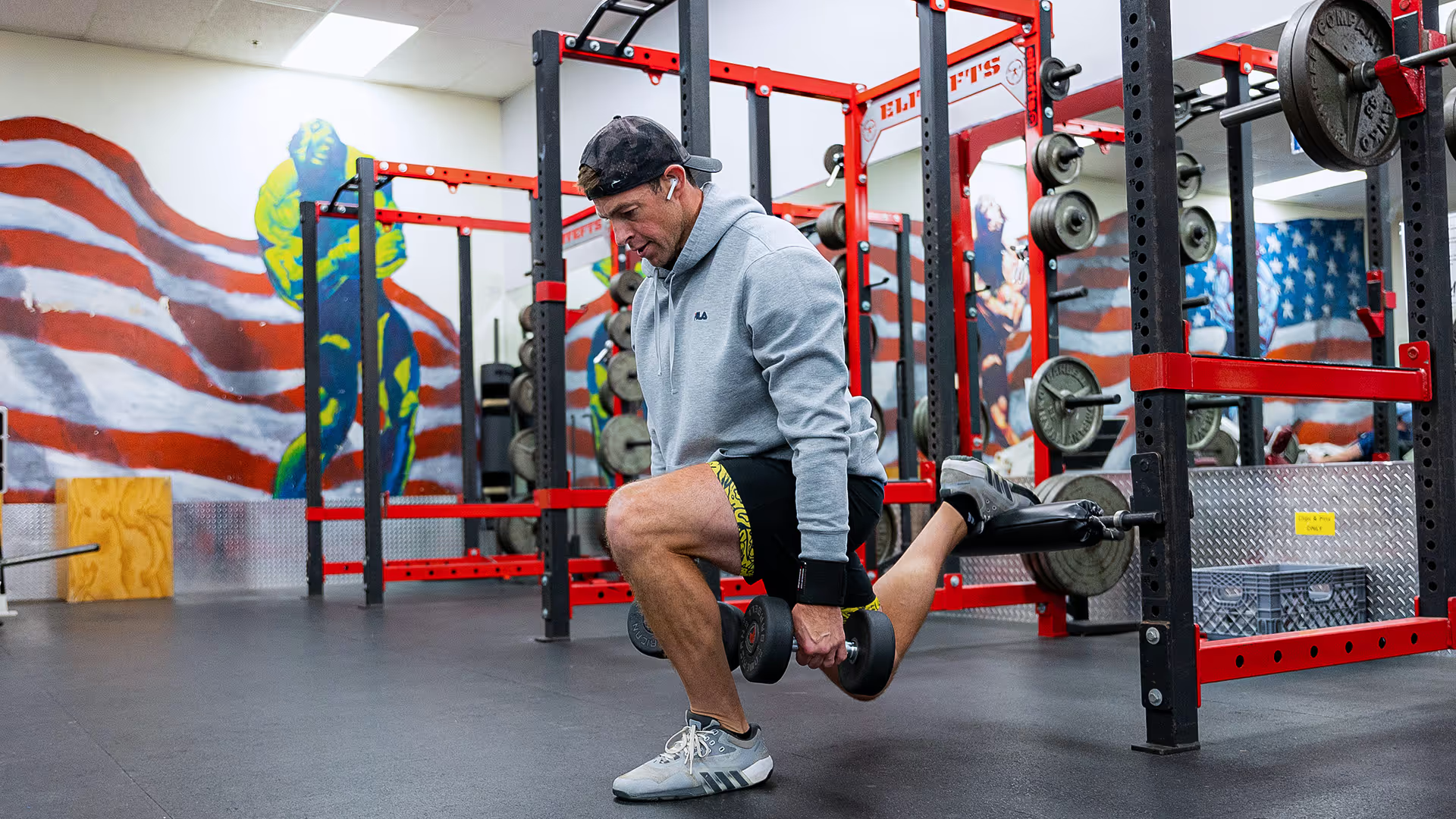
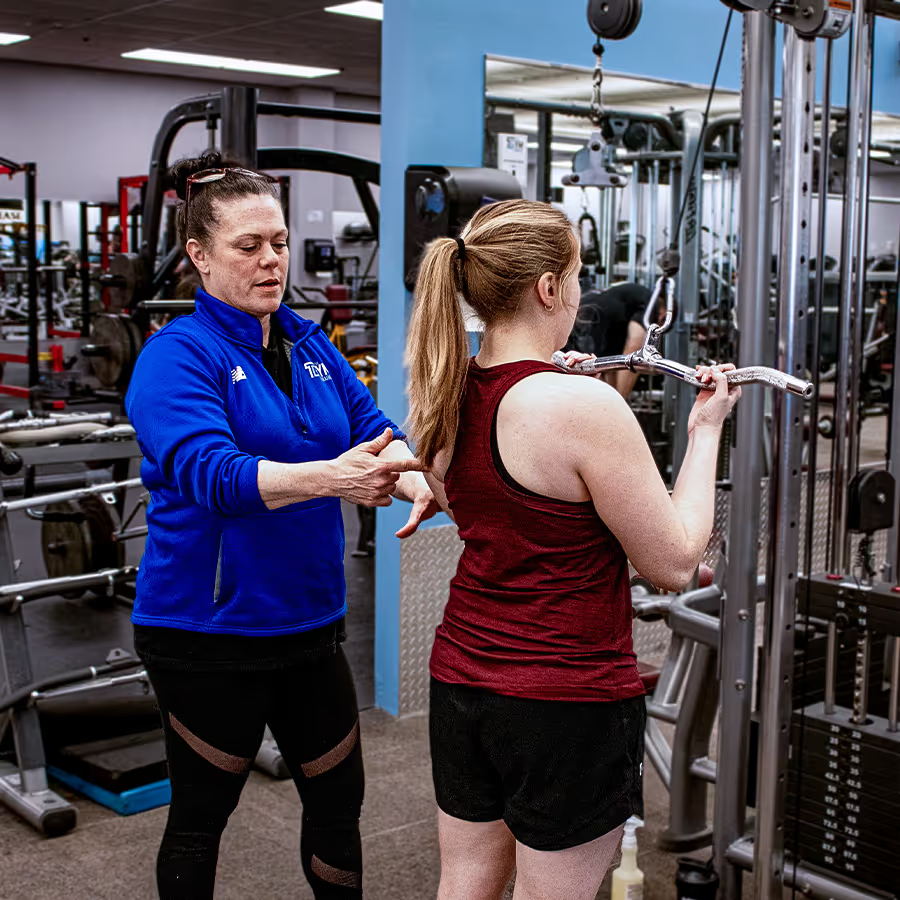
Kick things off with a one-on-one consultation.
We’ll get to know your goals, assess your current fitness level, and create a baseline using tools like the Styku 3D Body Scanner — so we can track real progress from day one.
train with
purpose
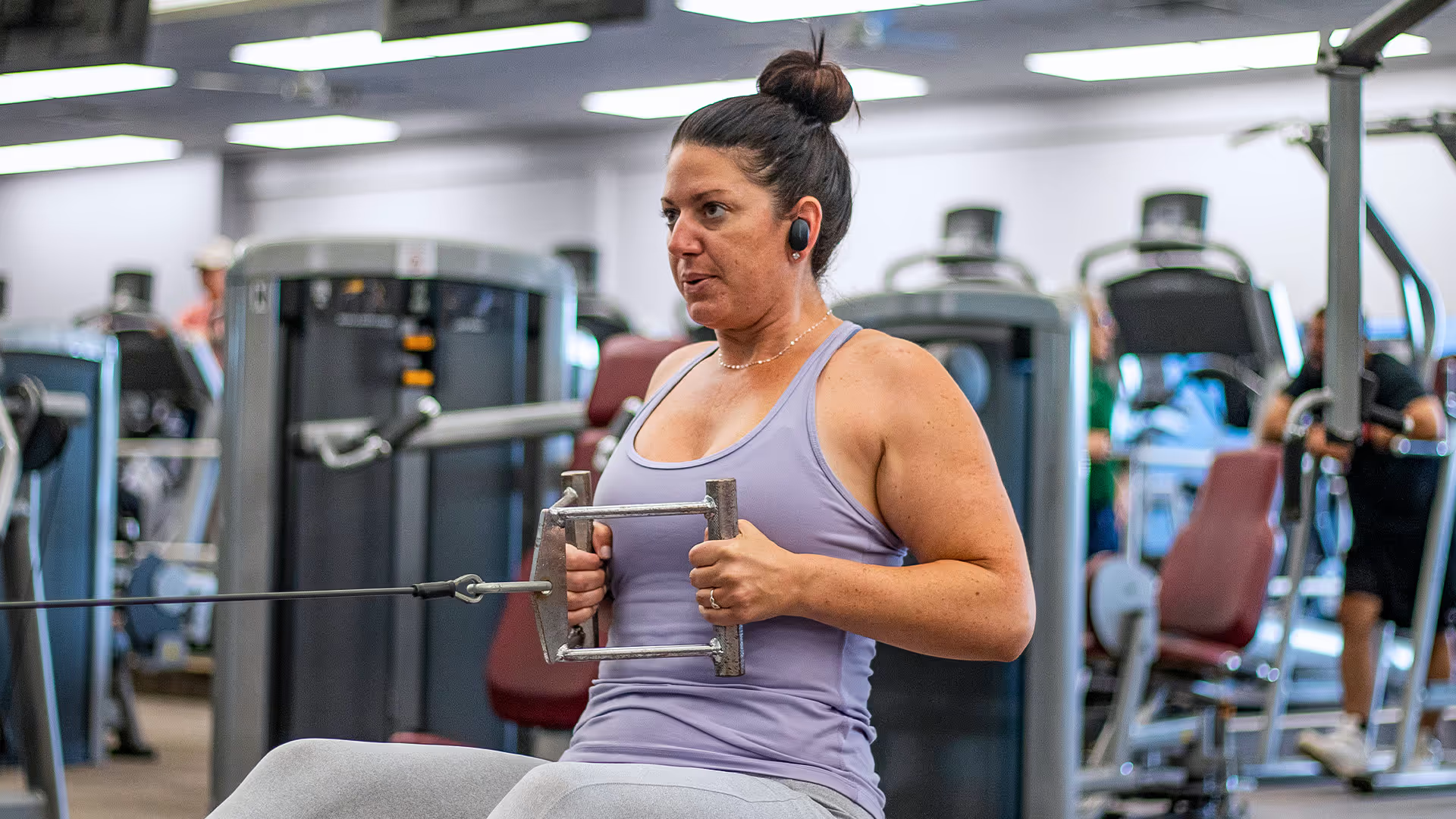
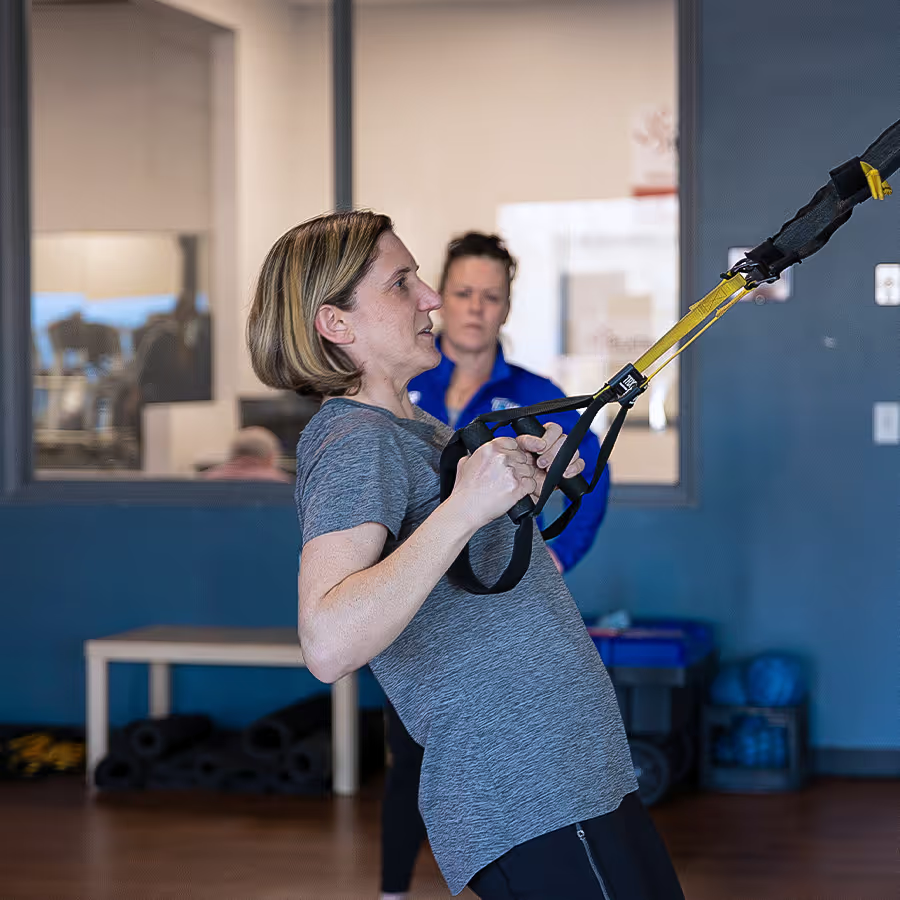
Every workout is part of a bigger picture.
Your trainer builds a custom program just for you, driven by data and tailored to your evolving goals. Expect thoughtful adjustments and workouts that keep you challenged and progressing.
stay on track
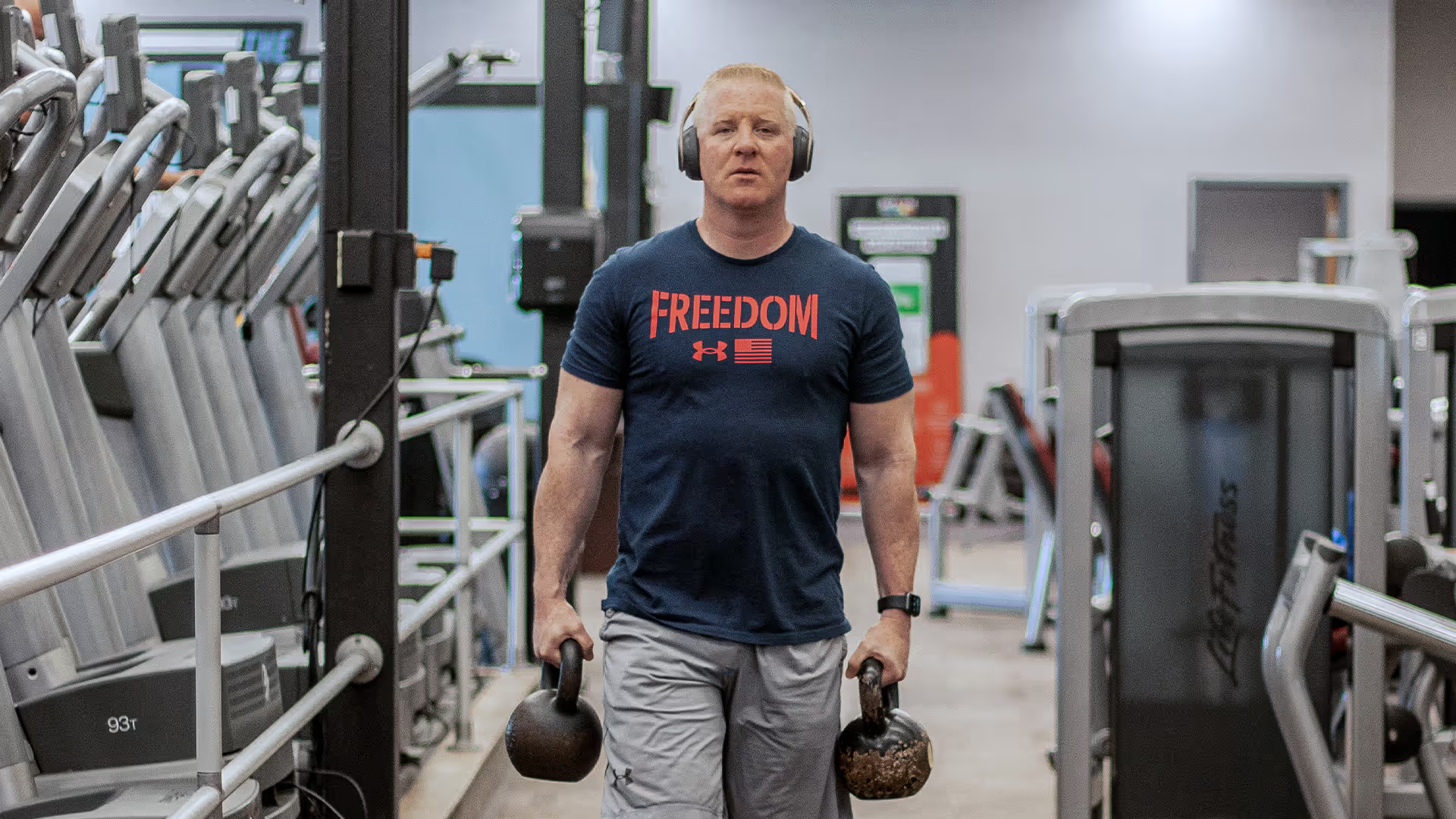
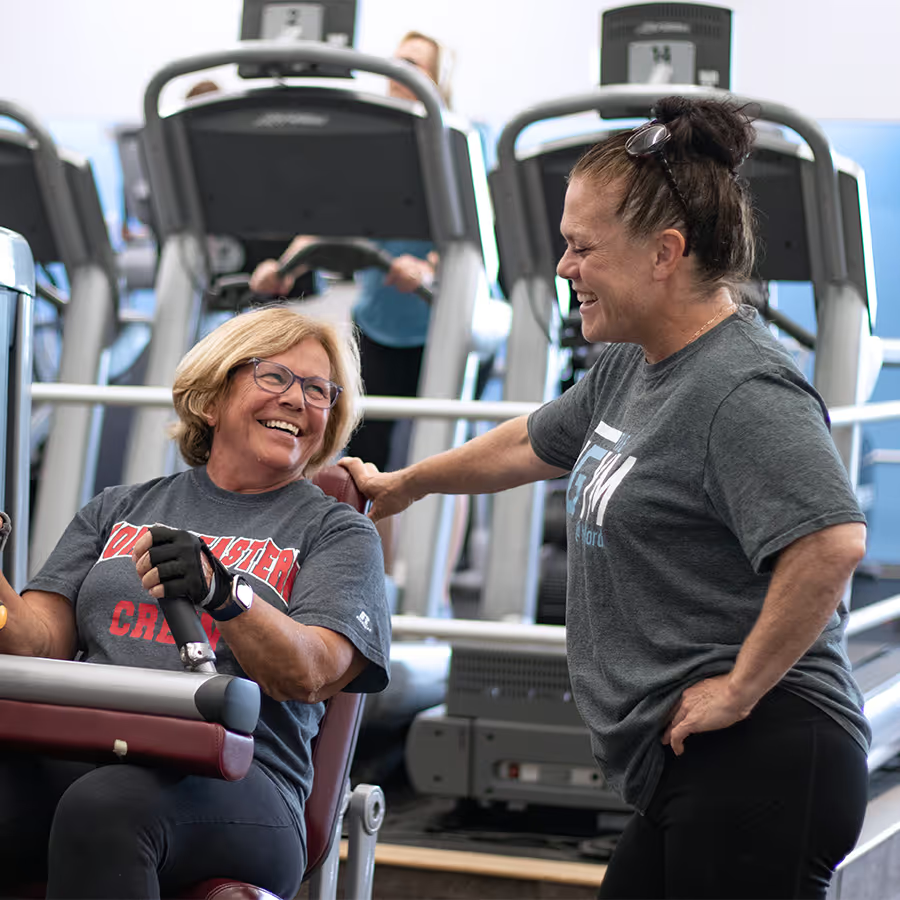
You’re never in this alone.
Your trainer is your accountability partner — checking in, tracking results, and helping you stay motivated through every milestone. We celebrate your wins together.

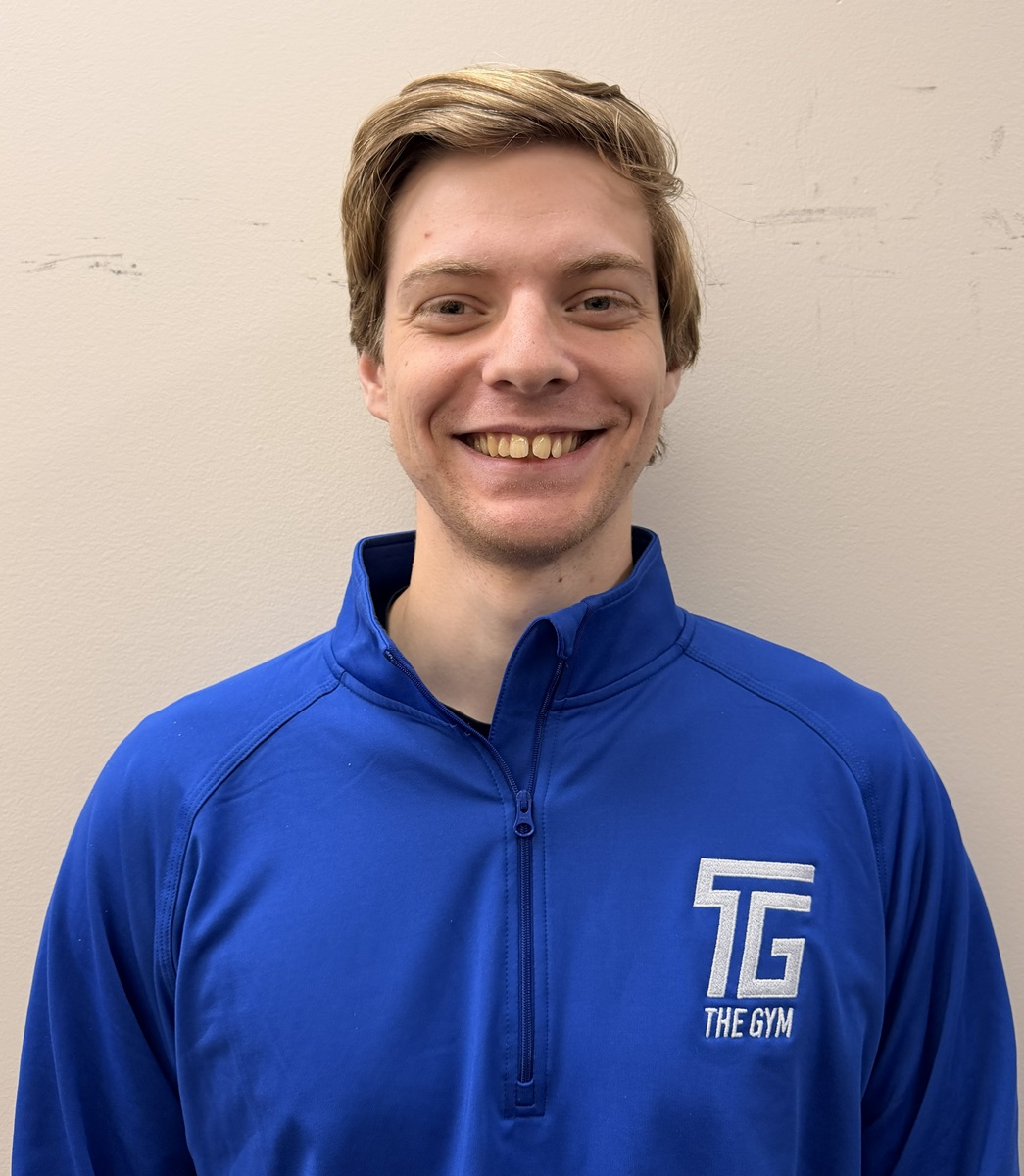
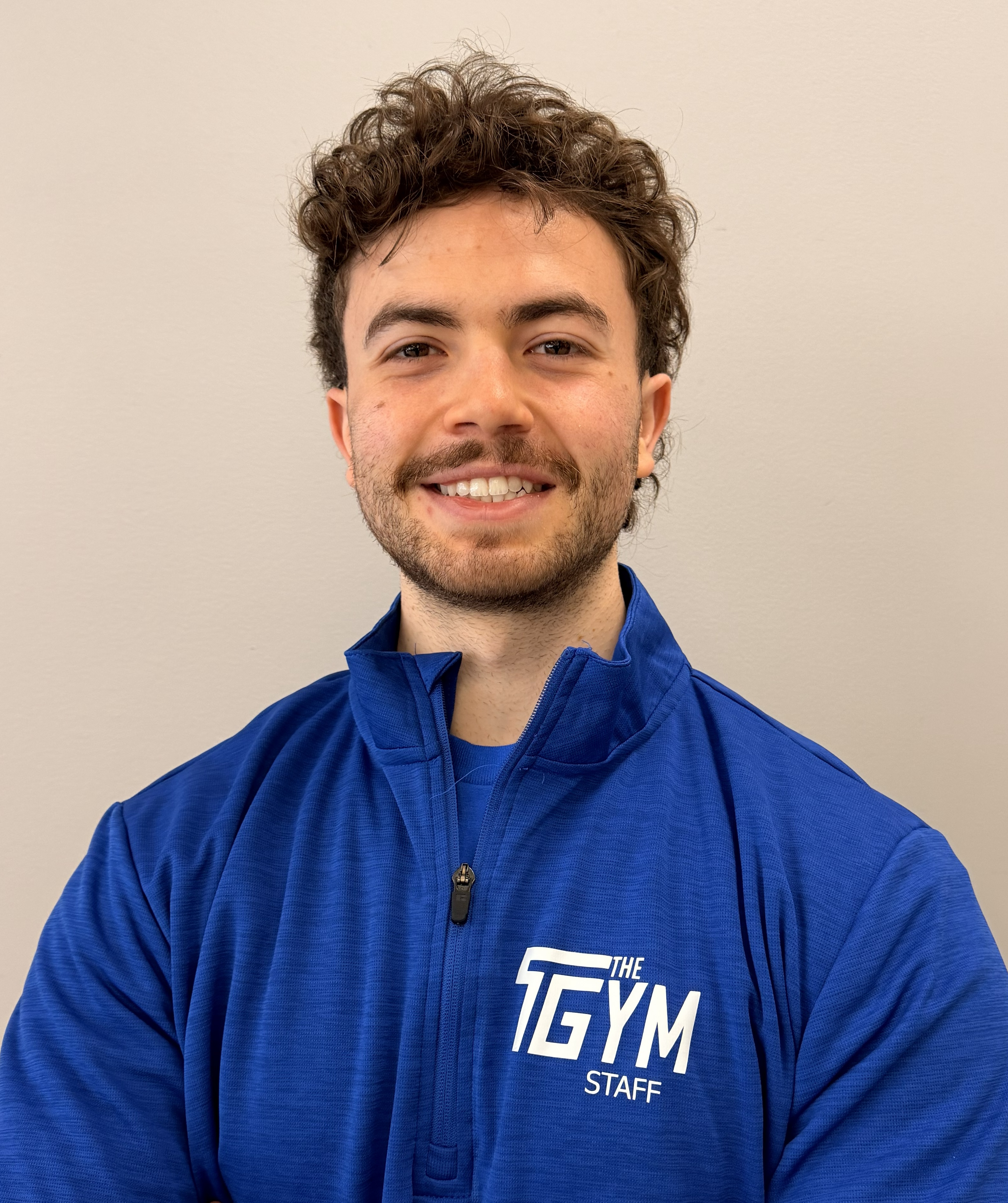
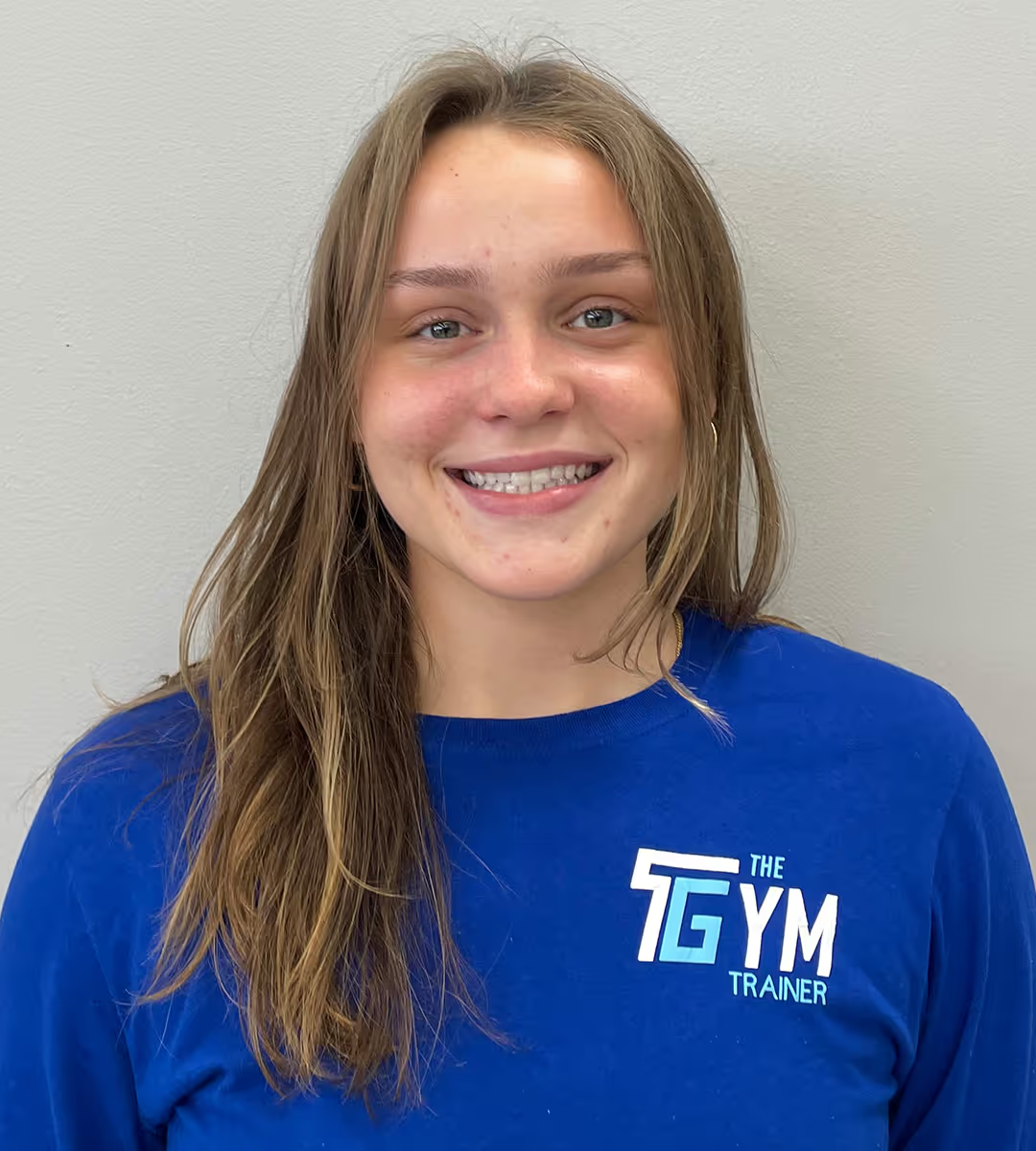
What members are saying
Real thoughts from real members who’ve made us part of their fitness routine.
Felt comfortable the moment I walked into gym... Lots of new equipment, very clean. Love the silver sneakers classes. Challenging without being too easy or hard. Met a lot of nice people. So glad I joined!!!

I have had nothing but great experiences working out at The Gym for several years... Probably my favorite thing about The Gym is the very broad mixture of people who come there to work out and socialize!
I’ve been a member for 4 years now. All the necessary equipment for weight lifting and cardio... A friendly, knowledgeable and helpful staff. Most importantly the best tasting, custom recovery shakes in the business! A+
Such a great gym! I go every day and there is always open equipment for my workouts... Also, as a mom I use the day care (everyday) and those who take care of my son are the absolute best!
Gym has received numerous updates since I have been a member... When you come here and see upgrades and updates you feel your member fee's are being used to improve the gym.
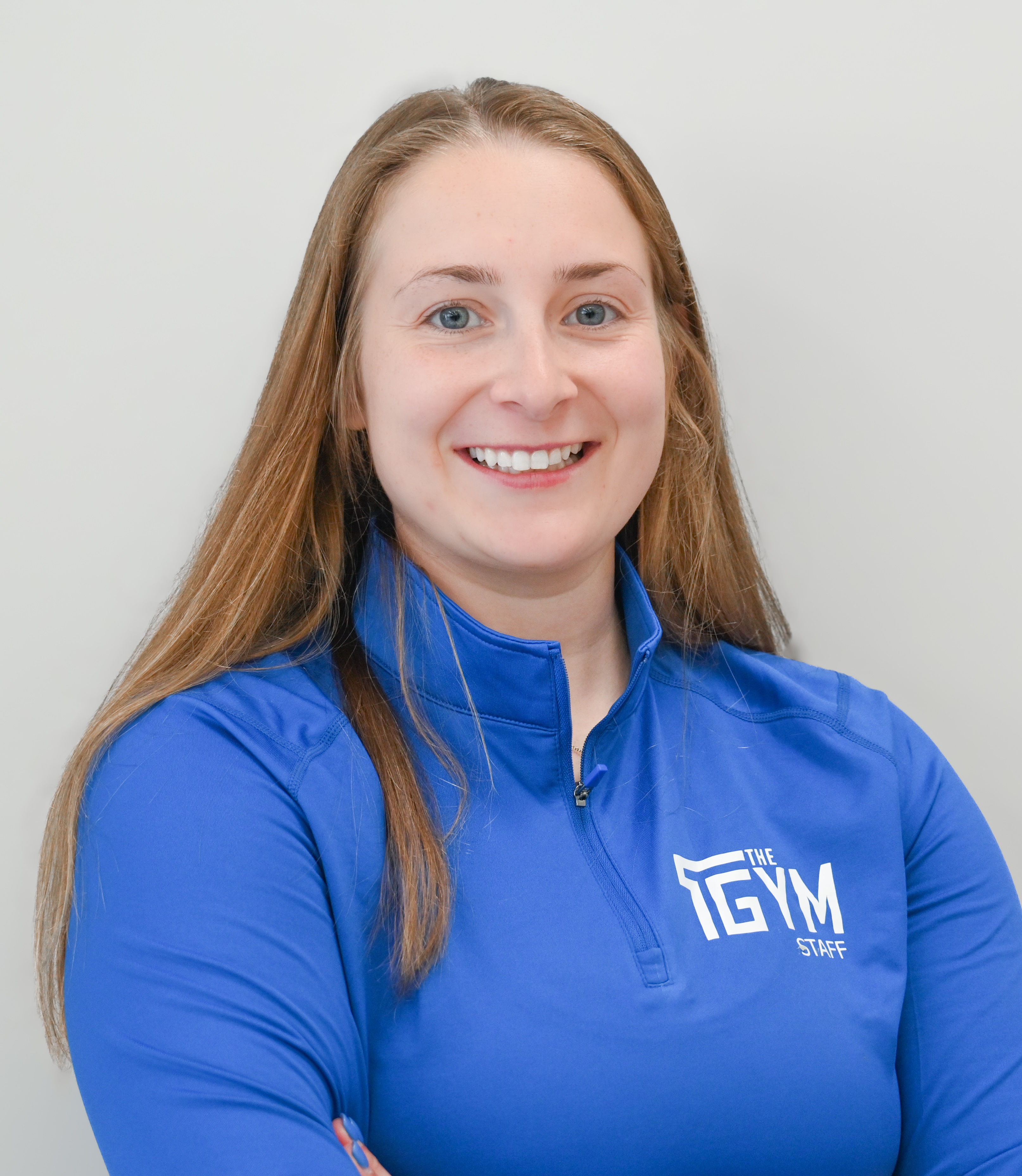
My trainer, Emily, is outstanding. She keeps a journal of every workout we've done, encourages me to push myself, varies workouts every week, and is very supportive. Highly recommend!!
I love The Gym! I bring my 2 and 4 yo there for childcare while I get a good hour workout... My kids always have fun, lots of good toys and the sitters are always wonderful! All the gym equipment is nice and new and the private women's area is the BEST!
Been a member of The Gym since there was a trailer on the side of the road. Been through all the ownership changes. This leadership team does an incredible job of ensuring my experience is the best.
ask our trainers
Our members ask a lot of questions about workouts, nutrition, recovery, and staying motivated—and we’ve got answers. This FAQ section gives you quick, clear guidance plus deeper explanations, expert tips, and ways to connect with our coaches.
Looking to get started with Personal Training? Click "Get Started" to choose the perfect starting program for you!
1. How often should I work out?
Quick Answer: 3–5 workouts per week.
Expanded Answer: Most adults get great results training 3–5 times weekly, balancing strength, cardio, and recovery. Beginners can start with 2–3. Advanced lifters may train 5–6 with proper programming.
Pro Tips:
• Include strength, cardio, and mobility.
• Plan 1–2 rest or lighter days.
2. How long should a workout be?
Quick Answer: 45–75 minutes.
Expanded Answer: Focus matters more than duration. Heavy or bodybuilding-style sessions may take longer due to rest periods. High-intensity workouts may be just 20–30 minutes.
Pro Tips:
• Timed rest helps keep sessions efficient.
• A focused 45 minutes beats an unfocused 2 hours.
3. What’s the best workout for building muscle?
Quick Answer: Progressive strength training with compound lifts.
Expanded Answer: Use movements like squats, deadlifts, presses, and rows. Work in the 6–12 rep range, 3–4 sets per exercise. Train each muscle group 2–3 times weekly.
Pro Tips:
• Track weights and reps.
• Increase resistance over time.
4. How do I lose body fat?
Quick Answer: Strength training + slight calorie deficit + daily activity.
Expanded Answer: Fat loss requires burning more calories than consumed. Strength training preserves muscle. Increase daily steps and focus on protein and whole foods.
Pro Tips:
• Track habits, not just weight.
• Prioritize protein intake.
5. Should I do cardio or weights first?
Quick Answer: Weights first for strength/muscle goals; cardio first for endurance goals.
Expanded Answer: Start with the type of training most important for your goals. Over time, both matter for balanced fitness.
Pro Tips:
• Keep cardio shorter on heavy lifting days.
• Don’t exhaust yourself before strength work.
6. How long does it take to see results?
Quick Answer: 4–12 weeks.
Expanded Answer: Strength increases appear early; visual changes take longer. Results vary by consistency, nutrition, sleep, and stress.
Pro Tips:
• Take progress photos monthly.
• Track performance goals as well.
7. What should I eat before a workout?
Quick Answer: Carbs + protein, 1–3 hours before.
Expanded Answer: Choose foods that digest easily and provide energy. Avoid heavy or high-fat meals immediately before training.
Pro Tips:
• A banana, yogurt, or light wrap works well.
• Early lifters can use a shake.
8. What should I eat after a workout?
Quick Answer: Protein + carbs within 2 hours.
Expanded Answer: Supports muscle repair and replenishes glycogen. Shakes, chicken and rice, or yogurt and fruit all work.
Pro Tips:
• Hydrate well.
• Don’t skip post-workout meals.
9. Why am I not seeing progress?
Quick Answer: Usually inconsistent training, lack of progression, or nutrition issues.
Expanded Answer: Plateaus come from training too light, not progressing, poor recovery, or unclear goals. Small tweaks often restart progress.
Pro Tips:
• Log your workouts.
• Track sleep and steps for a week.
10. Do I need supplements?
Quick Answer: Not required, but some are helpful.
Expanded Answer: Protein, creatine, and vitamins can help, but whole foods should come first. Avoid overhyped products.
Pro Tips:
• Watch for proprietary blends.
• Start with basics, not trends.
11. How do I improve flexibility and mobility?
Quick Answer: Daily mobility + consistent stretching.
Expanded Answer: Use dynamic stretches before workouts and static stretches after. Even short routines make a big difference.
Pro Tips:
• Spend 5–10 minutes post-workout.
• Add mobility on rest days.
12. Why does my back hurt during exercise?
Quick Answer: Often poor form, weak core, or tight hips/hamstrings.
Expanded Answer: Back pain can come from compensations or lifting with momentum. Address technique and muscle imbalances.
Pro Tips:
• Stop movements that cause sharp pain.
• Use lighter weights to refine form.
13. How much water should I drink?
Quick Answer: About half your bodyweight (lbs) in ounces.
Expanded Answer: Needs vary by climate, intensity, and sweat rate. Add electrolytes for long or intense sessions.
Pro Tips:
• Carry a water bottle daily.
• Add electrolytes for sessions over 60 minutes.
14. What shoes should I wear?
Quick Answer: Flat shoes for lifting; cushioned shoes for running or high-impact work.
Expanded Answer: Stable shoes improve lifting safety; cushioned shoes protect joints during running or HIIT.
Pro Tips:
• Avoid squishy soles on leg day.
• Separate lifting and running shoes if possible.
15. How do I stay motivated?
Quick Answer: Build habits and track goals.
Expanded Answer: Motivation fluctuates, but routines, accountability, and clear goals keep you consistent.
Pro Tips:
• Train with a friend or join classes.
• Celebrate small wins.
16. Is strength training safe for beginners?
Quick Answer: Yes, with proper technique and progression.
Expanded Answer: Strength training builds health and protects joints. Start with basics and light weights.
Pro Tips:
• Focus on movement patterns.
• Start with 2–3 full-body sessions weekly.
17. Will lifting weights make me bulky?
Quick Answer: No—most people get leaner and more defined.
Expanded Answer: Building large muscle takes years and specific nutrition. Typical strength training creates a toned, athletic look.
Pro Tips:
• Use moderate weights and controlled reps.
• Combine training with balanced nutrition.
18. How do I improve my exercise form?
Quick Answer: Slow down and get feedback.
Expanded Answer: Record your lifts, practice with lighter weights, and learn simple cues. Form improves faster with guidance.
Pro Tips:
• Film from the side and front.
• Focus on 1–2 cues at a time.
19. What’s the best way to warm up?
Quick Answer: 5–10 minutes of light movement and dynamic stretching.
Expanded Answer: Warm-ups should increase blood flow and prep your joints. Use cardio, mobility, and activation exercises.
Pro Tips:
• Warm up the muscles you’ll train.
• You should feel ready, not tired.
20. Should I track my workouts?
Quick Answer: Yes—tracking helps ensure progress.
Expanded Answer: Logging sets, reps, and weights keeps you consistent and makes progressive overload easier.
Pro Tips:
• Review your log weekly.
• Track mood, sleep, and energy too.
get started with a
free 1:1 Session
You can meet with a trainer during our
Member Services Hours:
Mon - Thu: 8:00 AM - 8:00 PM
Fri: 8:00 am - 5:00 pm
Sat & Sun: 8:00 AM - 2:00 PM